
SPECIFICATION
DESCRIPTION
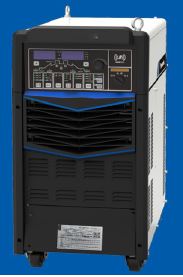
TIG (Tungsten Inert Gas) welding machine is an arc welding system that uses a non-consumable tungsten electrode to produce the weld. The weld area is protected from atmospheric contamination by an inert shielding gas, usually argon or helium, and filler metal is optionally added by hand.
TIG welding is known for high precision, clean welds, and the ability to weld thin materials and non-ferrous metals such as aluminum, magnesium, and stainless steel.
Key Components of a TIG Welding Machine
Component Function
- Power Supply Unit: Provides constant current output (mostly DC, sometimes AC for aluminum).
- TIG Torch: Holds the tungsten electrode and delivers shielding gas.
- Foot Pedal or Hand Control: Adjusts current output during welding.
- Shielding Gas Supply: Supplies inert gas (argon or helium) to shield the weld pool.
- Cooling System (optional): Cools the torch in high-amperage or prolonged welding situations.
- Ground Clamp: Completes the electrical circuit with the workpiece.
- Basic TIG Welding Requirements
A. Electrical Requirements
- Input Voltage: 220V – 415V (single-phase or three-phase depending on machine)
- Power Output: 5 – 400 Amps
- Power Type:
- DC for steel, stainless steel, copper, and titanium
- AC for aluminum and magnesium
- Current Control: Foot pedal or finger switch
B. Shielding Gas
- Gas Type:
-
- Argon (most common and suitable for most applications)
- Helium or Argon-Helium mix for deeper penetration or higher speed
-
- Flow Rate: 8 – 20 L/min (depending on application)
C. Tungsten Electrode
- Diameter: 1.0 mm to 4.0 mm
- Types:
-
- Thoriated (red): Common for steel (DC welding)
- Ceriated or Lanthanated: Good for low-amperage welding
- Pure tungsten (green): Preferred for AC welding of aluminum
-
D. Filler Rod (if used)
- Manually added
- Must match the base metal (e.g., ER70S-2 for mild steel)
E. Personal Protective Equipment (PPE)
- Auto-darkening welding helmet (high shade for TIG)
- TIG-specific gloves (thin for finger dexterity)
- Flame-resistant jacket or apron
- Safety glasses
- Welding boots
F. Environment Requirements
- Clean Workspace: TIG welding is sensitive to contaminants
- Ventilation: Essential due to potential gas buildup
- Lighting: Bright enough to see precise weld pool
- Phase- Three Phase
- Current- 400-500 A
- Technology- Inverter Based, IGBT Based
- Material of Construction: SS
- Surface Treatment: Galvanised
- Gas : Argon
Accessories:
- SS Electrodes
- MS Electodes
- Argon gauge
- Argon cylinder,
- Welding Shield,
- Spanner etc
Enquiry Form
Related Product




Tesca specialize in doing turnkey projects that is fully operable when it is handed over to the project authority. Starting from inception to application training, Tesca provides the services as ONE source solution. Working side by side with government authorities and people across the World, we help countries to perform better. We support countries grow their economies, strengthen their education and health systems and improve financial management. We do this by providing consultancy & training in environment safety, education, health strengthening.
Category
Useful Links
Contact Us
International Sales:
 91-9829132777
91-9413330765
India Sales:
91-9588842361
2026 © All Rights Reserved.